
Adaora Akojuru was working as a journalist when she visited a farming community in Gaya LGA, Kano State. It was a routine field visit. She was not looking for a business idea. She was not thinking about tomato paste or supply chains or post-harvest losses in any particularly personal way.
Then she saw the tomatoes.
Acres of them. Left to rot because the farmers had no access to market. Glut and saturation had made it impossible to sell what they had grown. All that land, all that labour, all that time, and the harvest was just sitting there, going to waste in full view of everyone and no one at the same time.
She drove home with so many questions on her mind and decided to do something about it.
The something she did was BERA Tomato. A 100% natural tomato paste made from farm fresh tomatoes, built on a supply chain that connects directly to the smallholder farmers who grow the raw materials. Every tin sold creates reliable demand for those farmers, reduces the post-harvest losses that first stopped Adaora in her tracks, and puts money back into the hands of people who spent months growing something that used to rot before it could reach anyone.
The name itself has a story. She cannot even remember how she settled on Beta Agric Ventures as the company name. It just came to her. But the product was always going to be called BERA Tomato, which should actually have been BETA Tomato. When she went to register the trademark, she was told it was not going to be possible. So she changed the T to an R. BERA Tomato it was.
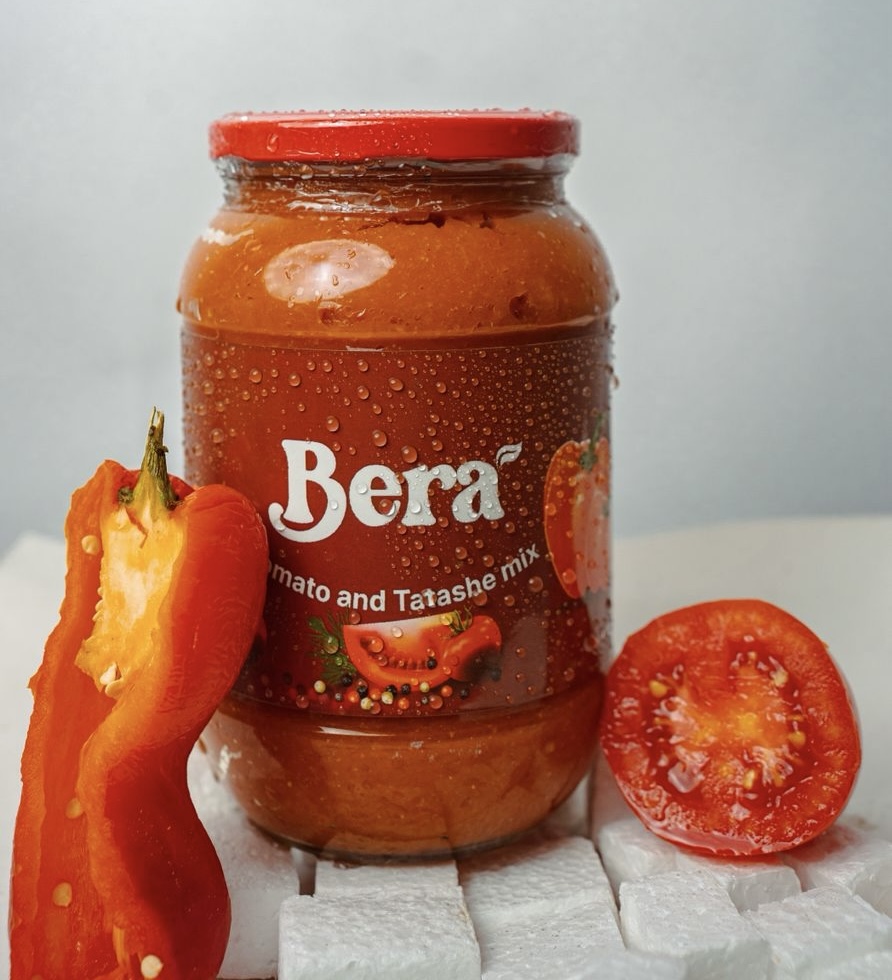
The early days of the business were humbling in the way that most food processing businesses are, especially in Nigeria. She started in a BQ apartment with one farmer supplying raw materials. Production was small. The learning curve was steep. In the first two to three years, navigating the sensitivities of wet food processing was genuinely difficult.
About two years in, the business moved to a government incubation centre. Production capacity jumped from less than 0.1 tons per month to five to six tons per month. Today, Beta Agric Ventures leases a bigger processing facility and has a network of over 500 farmers supplying raw materials. They are currently working to bring an additional 100 women farmers into that supply chain through a project supported by the Africa Enterprise Challenge Fund and Global Affairs Canada.
The partnerships that now surround Beta Agric Ventures reflect how Adaora thinks about the problem she is trying to solve. Early on, the business was focused on what it could do alone. Over time, she came to understand that the challenges facing Nigeria’s food systems are not going to be fixed by one company working in isolation.
“It is not what we do alone as a single business that affects the challenges facing our food systems,” she says, “but how the collective efforts from stakeholders including government, private sector, development organisations, and policy advocates can make bigger and sustainable impacts.”
That shift in thinking opened the door to partnerships with the International Fertilizer Development Center and its Horti Nigeria initiative, as well as the AECF project supported by Global Affairs Canada. Last year, Adaora was named ELOY Agripreneur of the Year.
One of the more unexpected things to shape how the business is run today came from SMEDAN. Adaora first heard about the agency through an accelerator programme and registered because she wanted access to credible business development support. She ended up as part of the first cohort of SMEDAN’s GrowHer Accelerator, a week-long hands-on capacity building programme for MSMEs.
The deep assessment of her business health during the programme revealed that things needed fixing. The problem was not the product, nor was it the mission, but the internal systems. She restructured her teams, conducted audits, and the improvements in staff management, finance management, and overall operations have been significant since.
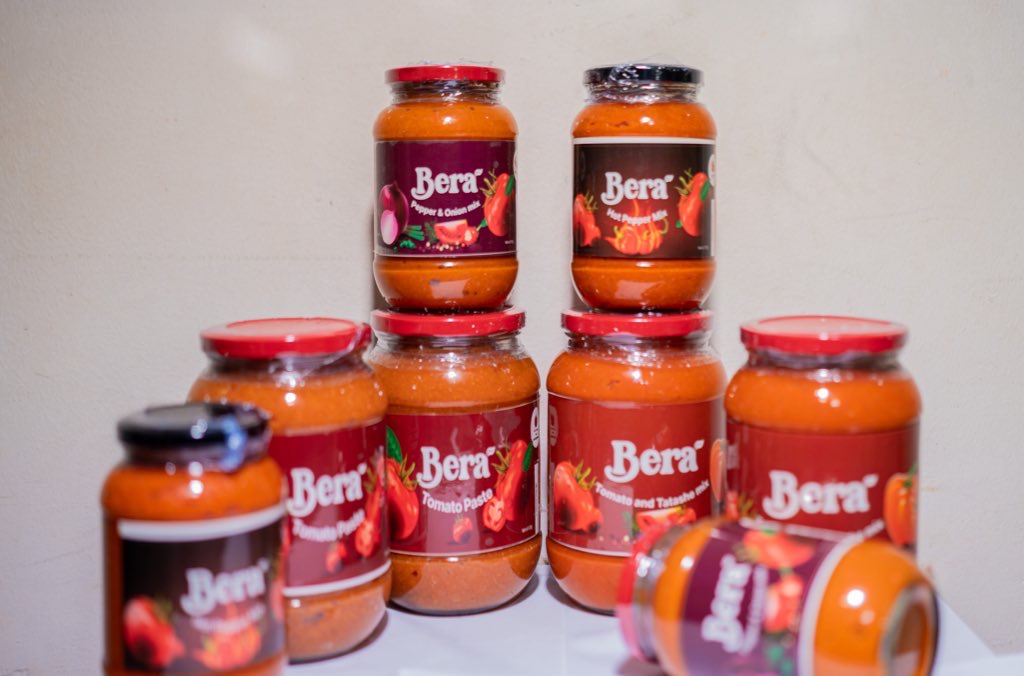
Some of the most vivid memories from building Beta Agric Ventures happened on bikes, on non-motorable roads, wobbling through dangerously narrow paths to reach the farms of the people who supply their tomatoes. Sometimes panicking. Sometimes weirdly excited about the adventure of it.
“It made me recognize the hard work that our farmers bring to our food sector,” she says, “and the struggle they go through to bring food to our tables.”
That recognition is part of what keeps the mission honest.
Adaora describes herself as someone who has always loved getting into a task and seeing results quickly. This business has changed that about her, or at least made her peace with the reality that some results take time.
“This business has taught me that results, especially lasting results, are not always instant or immediate. Some good results take time to materialize. I’ve made my peace with that. Lesson learned.”
Her advice to anyone starting out is direct and generous. Start. And if you need mentorship, reach out. But be ready to put in the work.
Looking ahead, the vision is clear. Beta Agric Ventures wants BERA Tomato to become the number one indigenous 100% natural tomato paste brand in Nigeria, from farm to fork. There are new things coming under the BERA brand that she is not quite ready to talk about yet.
“Look out for the BERA brand,” she says, with what you can only imagine is a knowing smile. “You’ll know more as we unveil them.”
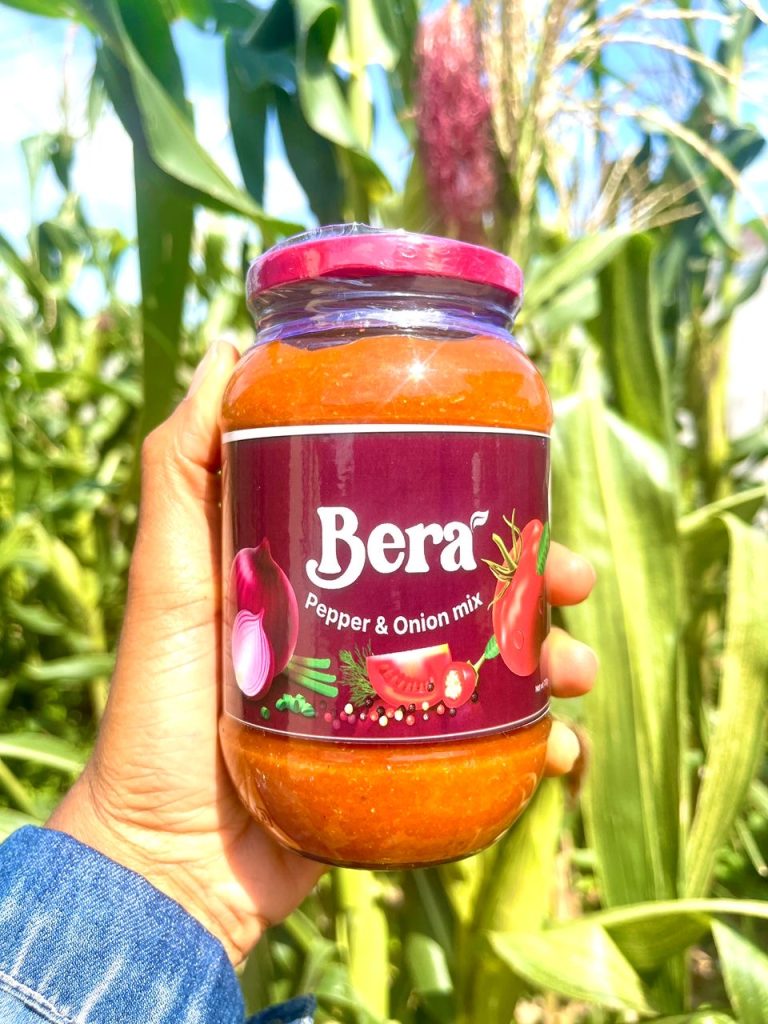
Shop and follow BERA Tomato at www.betaagric.com and on Instagram, X, Facebook and TikTok @beratomato. You can also find Beta Agric Ventures Ltd on LinkedIn.